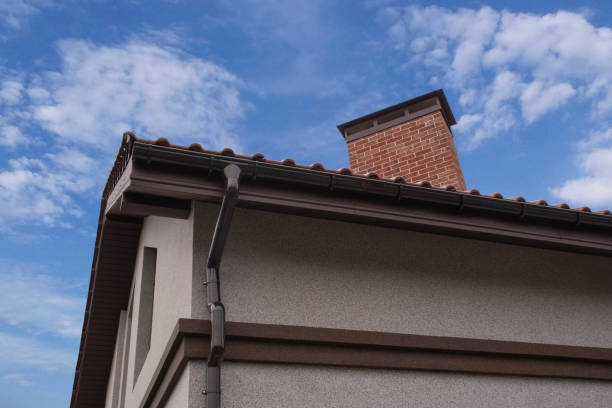
Southern California is known for sunshine, dry weather, and mild seasons, but when rain arrives, it can come down quickly. For homeowners, that sudden water runoff can create problems around the roofline, siding, landscaping, walkways, and foundation. A properly designed gutter system helps guide water away from vulnerable areas of the home and reduces the risk of long-term moisture damage.
Even if rain is not constant throughout the year, your home still needs a reliable way to manage stormwater. Without proper drainage, water can spill from the roof, collect near the foundation, stain exterior surfaces, damage fascia boards, and erode soil around the property. That is why choosing the right system, installing it correctly, and maintaining it over time matters.
Why Gutters Matter for Southern California Homes
Many homeowners do not think about drainage until they notice a problem. Water overflowing from the roof may seem minor at first, but repeated exposure can slowly wear down important parts of the home.
A good gutter system helps:
- Move water away from the foundation
- Protect fascia boards and roof edges
- Reduce soil erosion near the home
- Prevent water from splashing onto stucco, siding, doors, and windows
- Protect landscaping from heavy roof runoff
- Lower the risk of staining on exterior walls and hardscapes
Southern California homes often feature stucco exteriors, tile roofing, patios, sloped lots, and landscaped areas that can be affected by uncontrolled water flow. When drainage is not managed properly, water can settle where it should not, creating avoidable repair costs later.
What Happens When a Home Has Poor Drainage?
Poor drainage can affect a home in several ways. One of the most common issues is water pooling near the base of the house. Over time, this can contribute to soil movement, moisture intrusion, and foundation stress. While not every puddle means serious damage, repeated water collection in the same area should not be ignored.
Another problem is fascia and roof edge deterioration. When rainwater runs directly off the roof without being directed into a gutter system, it can soak exposed wood trim and roofline materials. This may lead to peeling paint, staining, soft wood, or early deterioration.
Exterior walls can also suffer. Water that splashes back onto stucco or siding can leave dirt marks, mineral stains, and moisture patterns. Around doors and windows, repeated water exposure can increase the chance of leaks or seal failure.
Are Seamless Systems a Better Choice?
For many homeowners, Seamless Rain Gutters are a smart option because they are custom-fitted to the home. Unlike sectional systems that are joined together in multiple pieces, seamless systems have fewer joints along the gutter runs. Fewer joints can mean fewer potential leak points and a cleaner finished appearance.
This type of system is especially helpful for homeowners who want a durable, low-profile solution that blends with the exterior of the property. Since each home has different rooflines, drainage needs, and architectural details, a professional installer can measure and fabricate the system to fit the structure more precisely.
Choosing the Right Material and Style
Not every home needs the same gutter profile or material. The right choice depends on the roof design, home style, expected water flow, and aesthetic preference.
Aluminum is a popular choice because it is lightweight, durable, and available in many colors. Copper may be selected for certain custom homes or architectural designs where appearance is a major priority. Some homes may require larger gutter profiles or additional downspouts depending on roof size and drainage demands.
Color also matters. A well-chosen gutter color can blend with fascia, trim, roofing, or exterior paint. The goal is to improve water management without distracting from the home’s curb appeal.
Why Downspout Placement Is Just as Important
A gutter system is only effective if the water has somewhere safe to go. Downspouts should be placed where they can move water away from the home without creating new problems.
Poorly placed downspouts can discharge water onto walkways, patios, planter beds, or areas that slope back toward the foundation. In some cases, extensions or drainage solutions may be needed to carry water farther away from the structure.
A professional assessment should consider roof pitch, roof valleys, hardscape, landscaping, soil conditions, and the natural slope of the property. This helps ensure that water is collected and redirected in a way that protects the entire exterior.
Signs Your Home May Need New Gutters
Homeowners should inspect their drainage system before the rainy season and after major storms. You may need repair or replacement if you notice:
- Water spilling over the edges
- Gutters pulling away from the fascia
- Rust, cracks, or visible holes
- Water stains on exterior walls
- Soil erosion below the roofline
- Sagging or uneven gutter sections
- Pooling water near the foundation
- Downspouts that do not drain properly
If these issues appear, it is best to schedule an inspection before the next storm. Small drainage problems can become more expensive when left unresolved.
Maintenance Tips for Long-Term Performance
Even a well-installed system needs basic maintenance. Leaves, roof debris, dirt, and windblown material can collect inside gutters and block water flow. This is especially common near trees or in areas with seasonal winds.
Homeowners should keep gutters clear, check downspouts for clogs, and look for signs of separation or sagging. After a storm, walk around the property and observe where water drains. If water is overflowing, backing up, or collecting near the home, the system may need cleaning, adjustment, or replacement.
Leaf protection may also be worth considering for homes with frequent debris buildup. While no system eliminates every maintenance need, the right protection can help reduce clogs and improve water flow.
Professional Installation Makes a Difference
Proper gutter installation requires more than attaching channels to the roofline. The system must be measured correctly, pitched properly, secured to the fascia, and connected to downspouts that move water away from the home.
This is where experienced installation matters. A professional can evaluate the home’s roofline, recommend the right profile, choose suitable downspout locations, and ensure the system is designed for long-term performance.
For homeowners in Southern California, working with a local specialist is especially valuable because local installers understand regional home styles, seasonal weather patterns, roof types, and drainage challenges.
Protect Your Home Before the Next Rainy Season
Rain Gutters may not be the most noticeable part of your home, but they play an important role in protecting it. A reliable system helps preserve the roofline, reduce water damage, protect landscaping, and keep runoff away from the foundation.
If your current system is leaking, sagging, overflowing, or missing entirely, now is the right time to have it inspected. L.I. Metal Systems can help homeowners choose a professionally installed solution that fits the home, protects the exterior, and supports long-term peace of mind.