Why Emergency Readiness Matters in Disability Support
Alright, if you’re thinking about working in disability support, you’re not just signing up to help people out with the basics. You’re jumping into a job where, honestly, anything can happen, and you gotta be ready for it. Sure, you’ll learn about planning care and talking things out, but the real kicker? Dealing with emergencies. They don’t exactly tell you in the brochure how wild things can get, but trust me—emergencies don’t wait for anyone.
Here’s the deal: First aid training isn’t just some box to tick off your study list—it’s the real MVP skill you need. Let’s be honest, when stuff hits the fan (and it will, eventually), you won’t have time to Google what to do. You need to know, right then and there.
What Disability Support Is Really Like
People in this job work with folks who might have health issues, can’t move around easily, or have trouble communicating. That’s just reality. And, because of all that, there’s a much bigger chance you’ll have to deal with medical emergencies—sometimes out of nowhere.
Doesn’t matter if you’re in someone’s home, out in the community, or at a support centre—if you freeze up, things can go south fast. Knowing first aid gives you that cool-headed vibe when everyone else is freaking out. You’re the one who steps up.
First Aid: More Than Just “Bandaging 101”
First aid training isn’t about memorizing a bunch of steps like you’re cramming for a pop quiz. It’s about learning how to handle yourself when stuff gets real. You learn to think on your feet, make snap decisions, and not lose your cool. If you’re in disability support, that’s gold, because the people you help need someone who can keep it together.
Confidence When It Counts
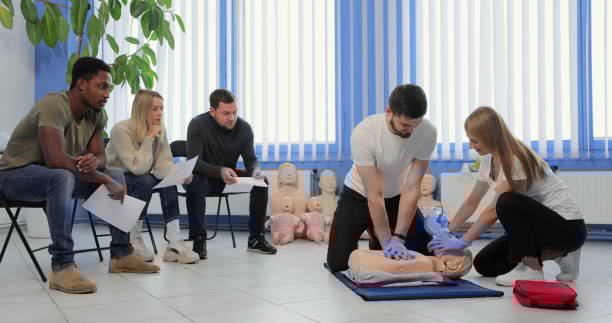
It’s easy to say, “Oh, I’ll handle it if something happens,” but when you’re new, emergencies can feel like a punch to the gut. First aid courses give you the practice and guts to act fast and smart, long before the ambulance shows up. That’s why so many students start frantically searching “first aid training courses near me” halfway through their course—they know they can’t just wing it.
Employers Want It—No, Really
If you think employers will just gloss over your first aid training, think again. They want people who can handle unexpected stuff. Having that cert doesn’t just make you look good—it shows you actually care about doing the job right and keeping people safe.
It’s Not Just Good for the Resume—It’s Part of the Job
If you’re doing Cert III in Disability, you’re supposed to come out with skills you can use on day one. First aid is a huge part of that. It ties in with everything else—duty of care, risk management, all the stuff your trainers talk about. Knowing how to handle a fall, sudden illness, or a breathing problem can mean the difference between a close call and a disaster. It’s not just theory; it’s what you do in real life.
Get That Cert Early—You’ll Thank Yourself Later
A lot of disability workplaces won’t even let you start without a first aid cert. If you get it done while you’re still studying, you’re way ahead. You don’t want to be that person scrambling at the last minute, delaying your start date because you ignored this step.
Go Local—It’s Just Easier
Look, online courses are fine and all, but nothing beats actually getting your hands dirty in a real-life class. You get to practice, ask questions, face those awkward “what if?” scenarios, and see how it all actually plays out. Plus, local courses usually know what’s up with the rules in your area.
Bottom Line
First aid training isn’t just another boring requirement—it’s a legit life skill that’ll make you way better at your job and, let’s be honest, probably a better human, too. If you’re serious about disability support work, get the training, get confident, and be the person people can count on when stuff goes sideways. It’s one of the smartest moves you can make while you’re still in training.